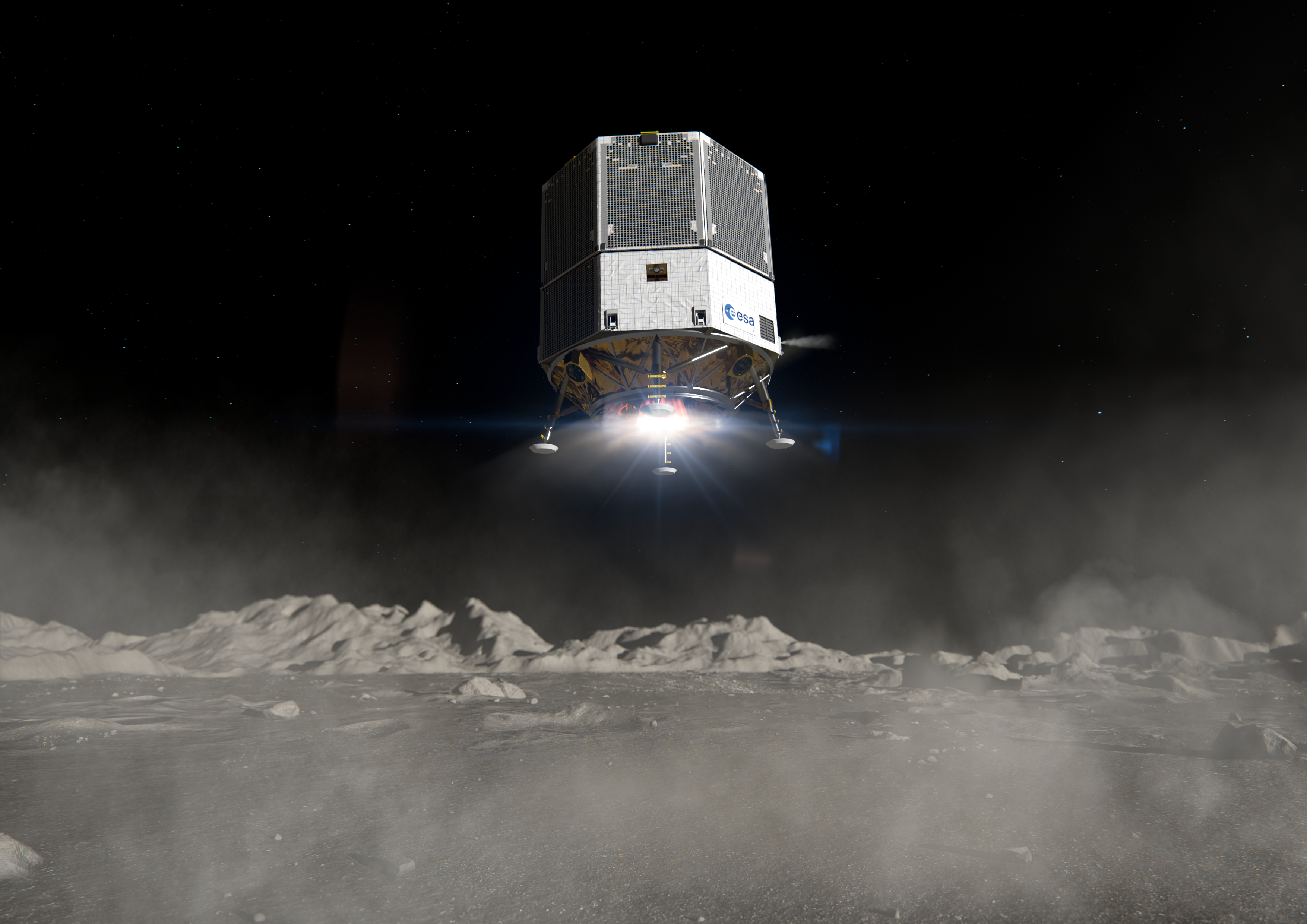
LEROS 4 Interplanetary Engine
ESA.
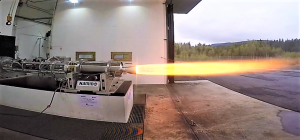
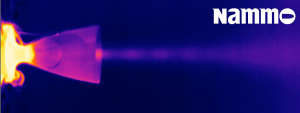
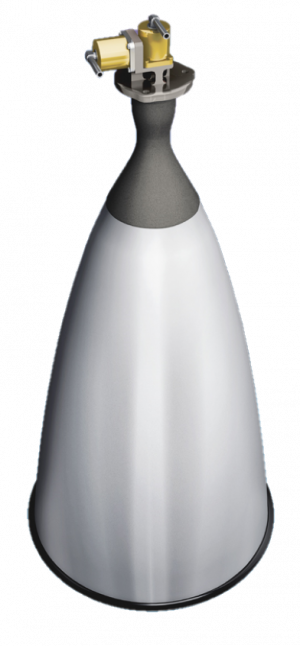
The Nammo Space designed and manufactured 321 second Isp, MON/ Hydrazine apogee engine delivers a thrust of 1000 N. The Nammo Space LEROS 4 engine has a thrust range between 900 N and 1100N. This new development is often referred to as the High Thrust Apogee Engine, or HTAE. The engine is being prepared for its first in-vacuum hotfire tests in the National Space Propulsion Test Facility at Westcott.
The High Thrust Apogee Engine is been designed as a mission enabling, propellant optimizing engine targeted at ESA deep-space Mars-return missions and has undergone extensive development and hotfire testing. All Nammo apogee engines are hot-fire tested in the UK National Space Propulsion Test Facility at Nammo Westcott. High altitude testing and Qualification is targeted for 2021.
Typical Application
Planetary missions, sample return missions
Typical Operational Mode
Long duration burns, with some pulsing capability
Propellant
MON-3/MMH
Thrust Range
202 lbf to 247 lbf
Thrust, nominal inlet pressure
225 lbf
Mixture Ratio Range
Oxidiser to fuel
Mixture Ratio
at nominal inlet pressure
Specific Impulse
321 seconds minimum
Total Impulse
13,600,000 Ns
Propellant Throughput
> 9,323 lb
Mission Burn Duration
12,364 seconds
Margin on Performance
1.25
Inlet Pressure
223 psia nominal
Restarts Demonstrated
with the chamber temperature at <100°C to start, and >1300°C at the end of the test
Maximum Duration Single Firing
3,600 seconds
Engine Mass
18.5 lb +/-10%
Nominal Operating Temperature
2,462°F
Propellant Temperature Range
32°F to 104°F
Storage Temperature
-58°F to 149°F
Storage Life
4 years
Operational Life
19 years
Reliability
0.995
Valve Type
2 off Solenoid, Single Seat, Redundant Coil
Valve Voltage
18 Vdc to 27 Vdc
Technology Readiness Level
In development
Status
The LEROS 4 is currently going through its qualification test campaign. Please contact Nammo for further details.
NAMMO UK WESTCOTT
GENERAL
- Dedicated, skilled space engineering team
- Experienced Assembly Integration and Test Team
- Cleanroom facility for space hardware
- Electron Beam Welding
- Experienced orbital and interplanetary propulsion solutions
TEST FACILITIES
- National Propulsion Test Facility, for thrusters up to 1.5kN
- High Altitude Propulsion Test Facility
- Attitude and Reaction Control Testing
- Small Thruster Test Facility
- Sea Level Test Facility
- Vibration and Resonance Testing
QUALITY
- Certified to AS9100
- Focused on customer needs